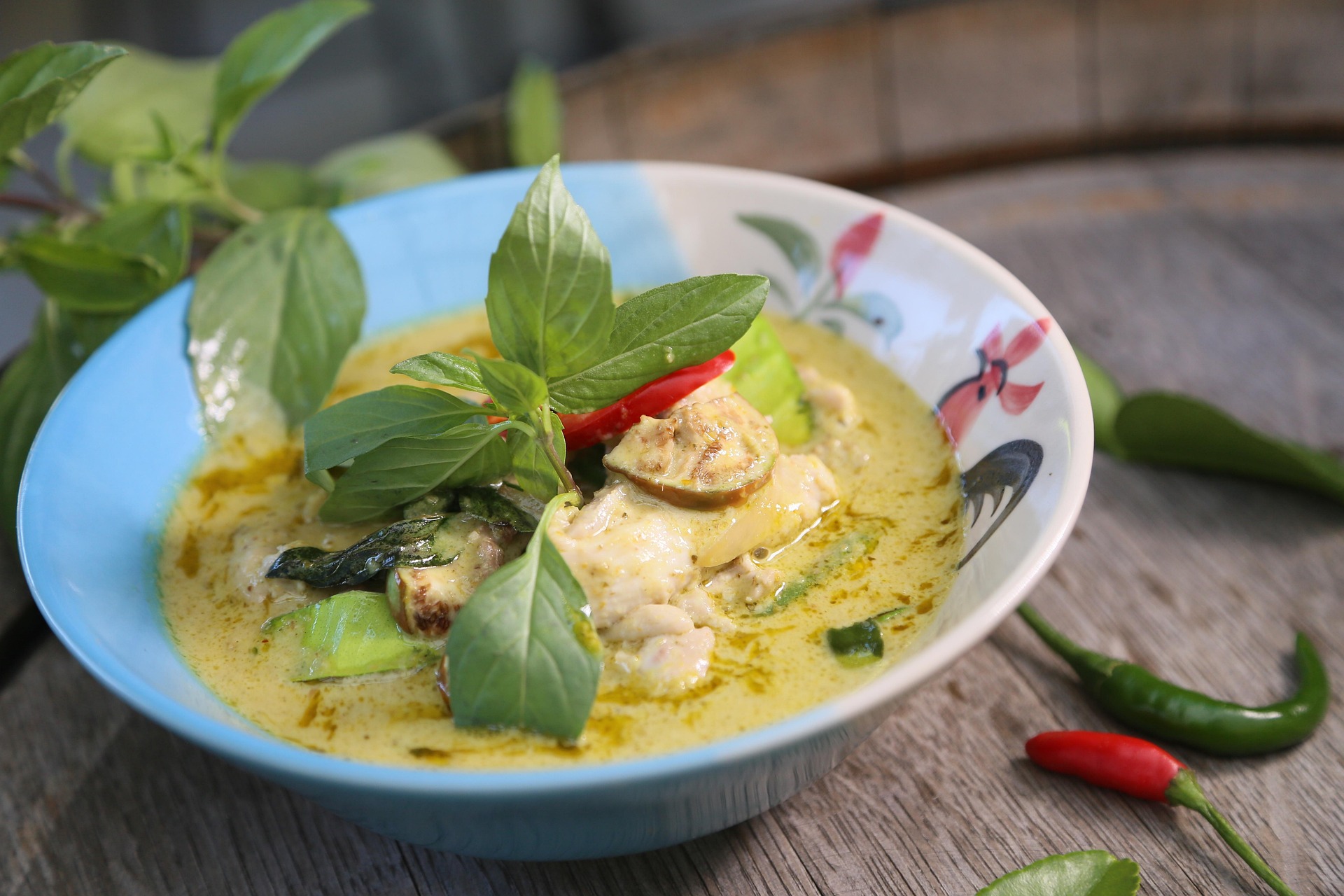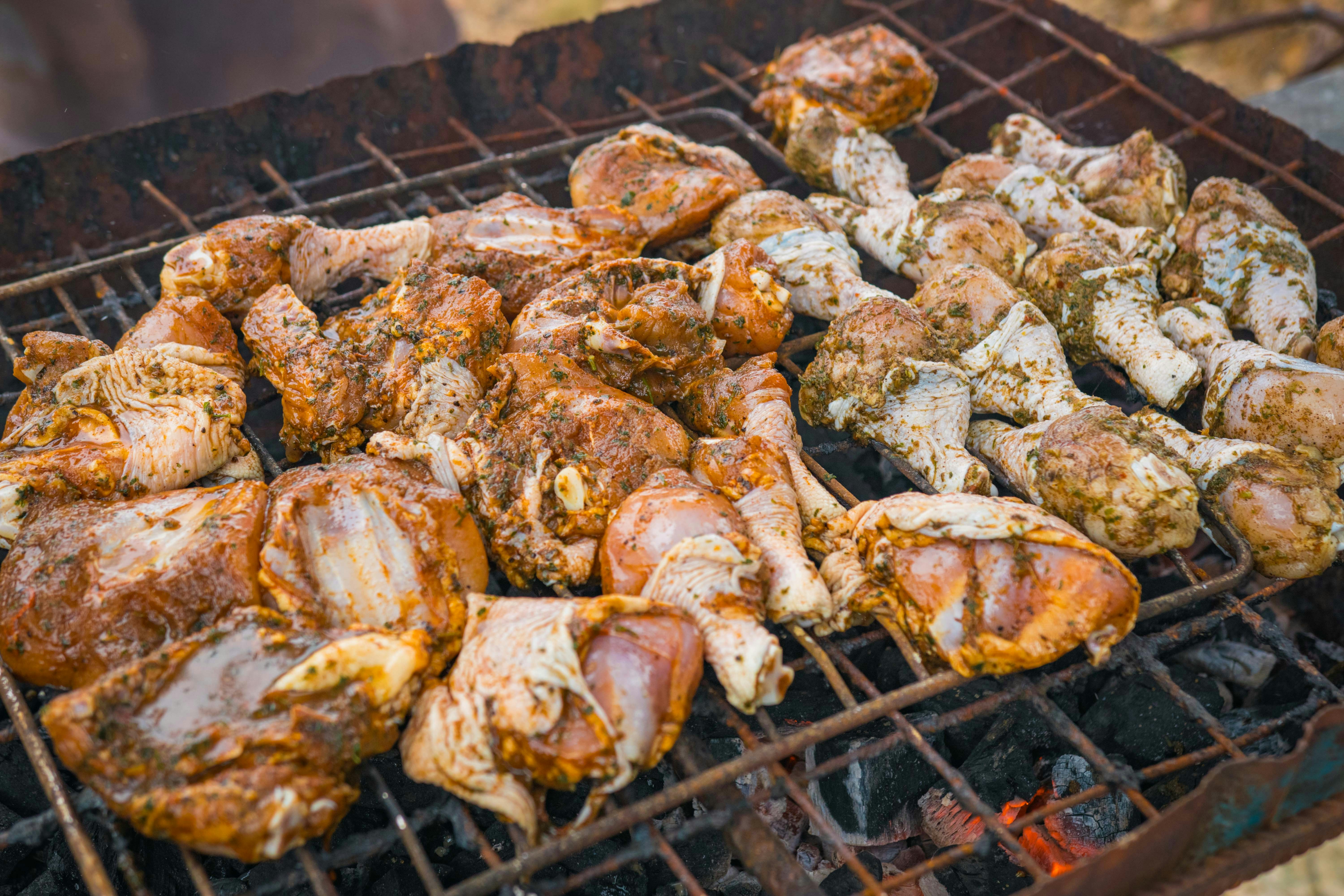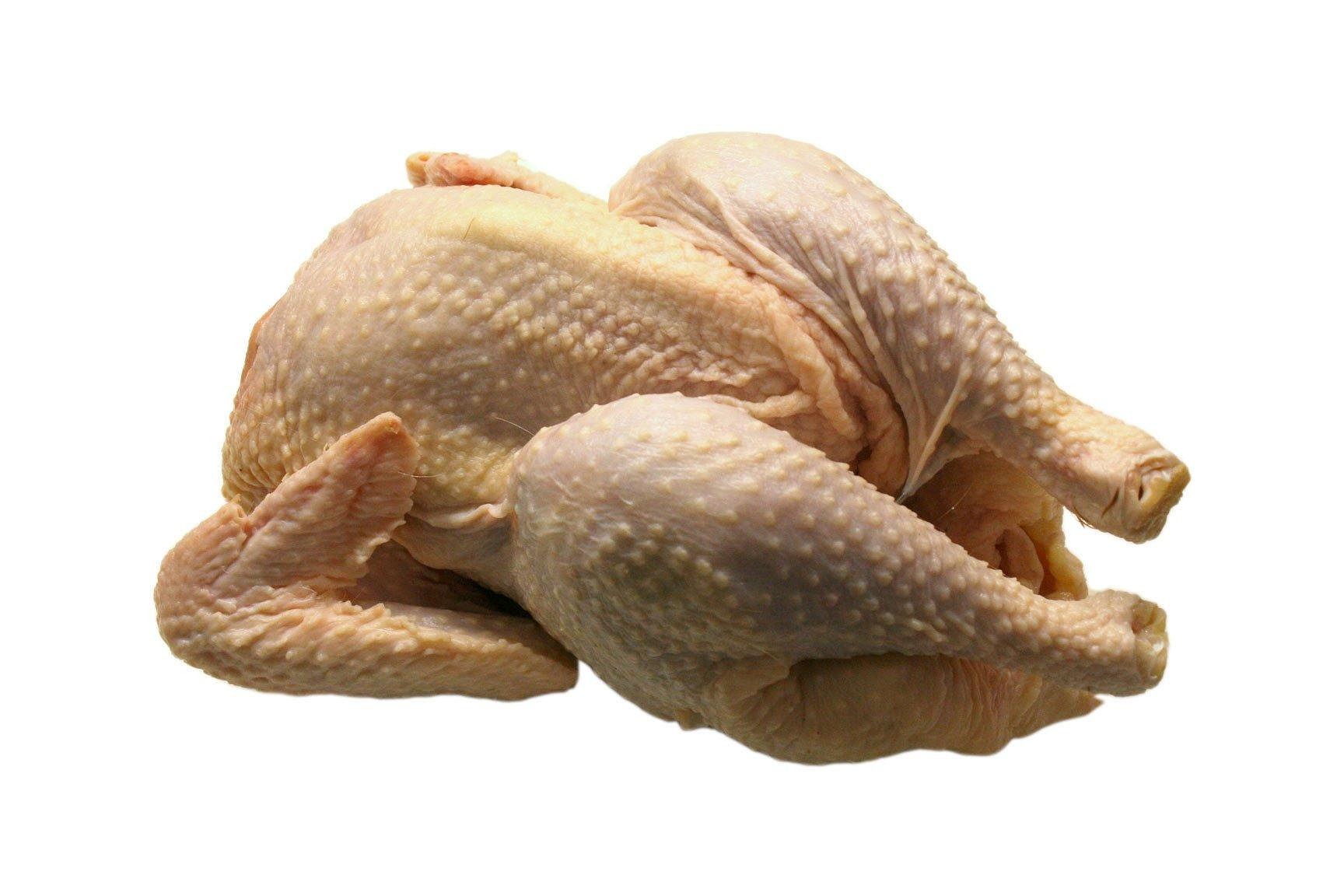
Chicken is grilled over charcoal in Jamaica, simmered with vinegar in the Philippines, roasted with lemon in Greece, tucked into shawarma in the Levant, fried until crisp in Korea, and stewed with onions in Senegal. The question worth asking: why did this one bird become the world's default dinner protein?
Chicken started as a jungle bird
Modern domestic chickens are descended mainly from the red junglefowl, a bird native to parts of South and Southeast Asia. The exact domestication timeline is still debated, but chickens gradually moved into human life through a mix of food, eggs, ritual, trade, farming, and travel.
At first, chickens were not just cheap meat. In many early societies, they were valued for eggs, religious symbolism, omens, cockfighting, and household usefulness. Over time, they traveled with merchants, migrants, farmers, colonizers, and empires.
They spread because they were practical. A cow needs land. A pig needs feed and space. Sheep and goats need grazing. A chicken can live close to the household, scratch for food, lay eggs, and eventually become dinner. That practicality helped chicken move across regions, climates, and cuisines.
History note
The word "chicken" in some form appears across dozens of ancient languages — a sign of how far and how early this bird traveled with human populations.
Chicken fits into many food traditions
One reason chicken became so widely used is that it crosses more cultural and religious boundaries than many other meats. Pork is avoided in Jewish and Muslim dietary traditions. Beef is avoided or limited in some Hindu communities. Lamb, goat, duck, and seafood are important in many cuisines, but they are not always as widely available or affordable.
Chicken is not universal, but it sits in a flexible middle. It can be served at a family table, sold by a street vendor, adapted into a restaurant dish, or used when another meat is too expensive, unavailable, or culturally complicated. That flexibility made chicken easier to absorb into local cooking styles — and an ideal carrier for regional flavor.
Chicken is a blank canvas, in the best way
Chicken's mild flavor is often treated like a weakness, but it is one of its biggest strengths. A strongly flavored meat brings its own personality to a dish. Chicken is more cooperative. It lets the cook lead.
That is why the same basic protein can become tangy Filipino adobo, smoky Jamaican jerk, yogurt-marinated tandoori chicken, lemony Greek chicken, garlicky Cuban mojo, spicy peri-peri, or crisp Korean fried chicken. The bird is the same. The dinner is completely different.
Flavor note
Chicken absorbs marinades, rubs, sauces, smoke, broth, spices, herbs, citrus, yogurt, vinegar, garlic, ginger, and chilies. The meat rarely becomes memorable by standing alone — it becomes memorable when paired with something bold.
Chicken cooks quickly and works many ways
Chicken is also practical for daily cooking. A whole chicken can become a family meal, but smaller pieces cook quickly. Thin cutlets, skewers, strips, thighs, and chopped chicken can all turn into dinner without the long cooking times required for tougher cuts of meat.
Chicken can be grilled, roasted, fried, simmered, braised, skewered, poached, smoked, shredded, or tucked into rice, soup, noodles, salads, wraps, sandwiches, and flatbreads. This wide range of cooking methods helped chicken fit into many food cultures. A chicken thigh can become a slow braise. A chicken breast can become a fast skillet dinner. A whole bird can become Sunday lunch. Leftover chicken can become soup, tacos, fried rice, or sandwiches.
The modern chicken boom changed dinner
Chicken's popularity expanded dramatically in the modern era. Industrial poultry production made chicken cheaper, more available, and more consistent in many parts of the world. In the United States and elsewhere, chicken also benefited from changing health perceptions — many eaters began to see it as lighter, leaner, and more everyday-friendly than red meat.
That is how boneless, skinless chicken breast became the unofficial mascot of meal prep, diet culture, and weeknight cooking. It was convenient. It was affordable. It was easy to portion. The problem, of course, is that convenient does not always mean exciting. Chicken's mildness makes it adaptable, but it also makes it easy to make boring — especially when it is overcooked or under-seasoned.
Tip
Bland chicken is almost always a seasoning problem, not a chicken problem. Salt, acid, fat, and aromatics can transform the same plain breast into something completely different.
Around the world, flavor fixes chicken
Cooks around the world solved the bland chicken problem long before anyone searched "what should I cook with chicken tonight?" They used vinegar, citrus, garlic, ginger, yogurt, chilies, spice blends, herbs, smoke, onions, fermented sauces, coconut milk, mustard, and time.
A Greek-style marinade uses lemon, olive oil, oregano, and garlic. Filipino adobo uses vinegar, garlic, bay leaf, and savory depth. Tandoori-style uses yogurt, ginger, garlic, spices, and heat. Jerk seasoning brings chilies, allspice, scallions, thyme, and smoke. Chimichurri uses parsley, vinegar, garlic, oil, and chili flakes.
Different regions use different ingredients, but the goal is the same: give chicken a clear direction. That is the real lesson of global chicken cooking.
Why marinades matter so much
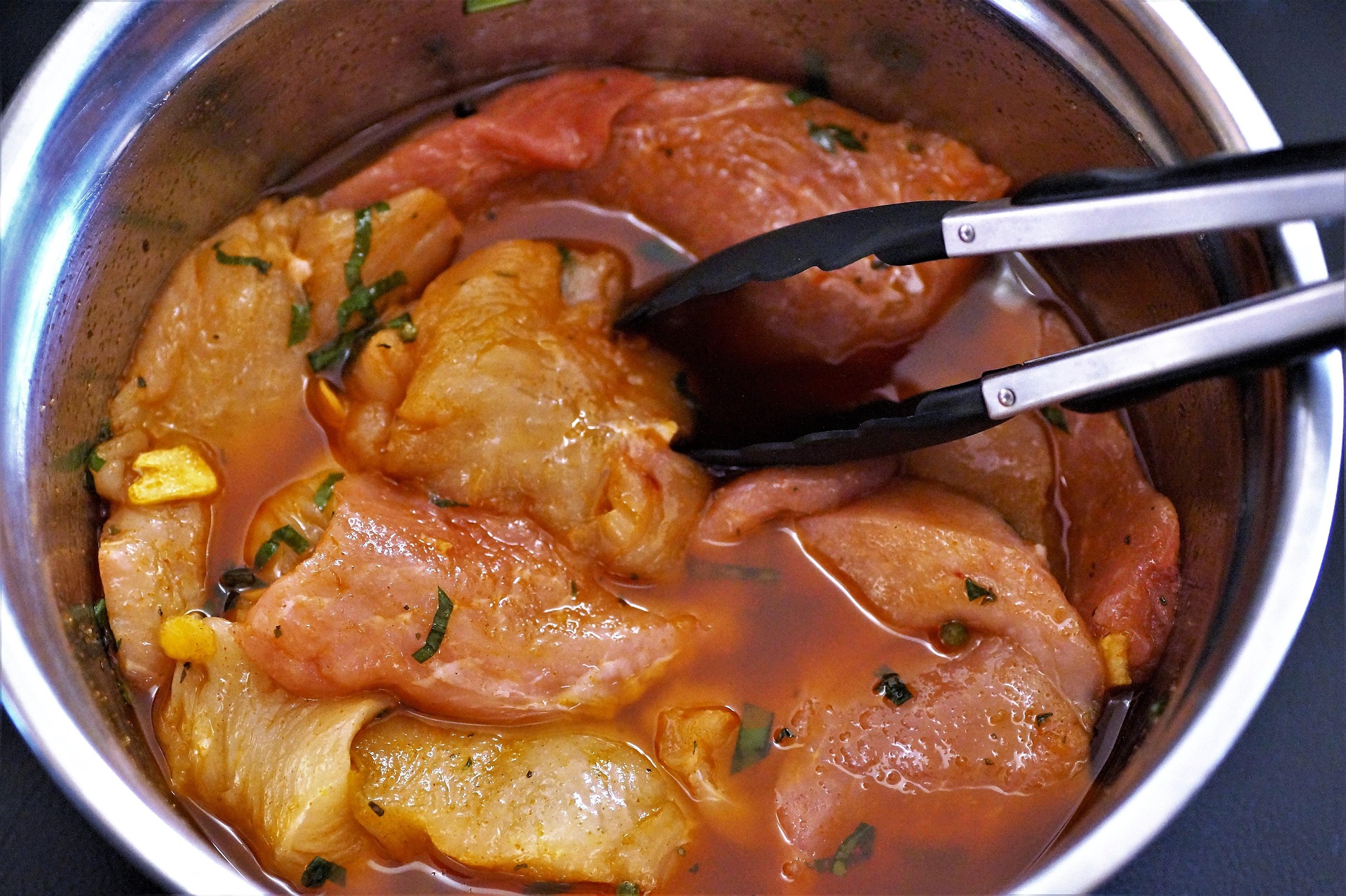
Marinades are one of the easiest ways to make chicken taste less like plain protein and more like an actual meal. A good marinade usually includes a few core elements:
- Acid — lemon juice, lime juice, vinegar, or yogurt
- Fat — olive oil, sesame oil, coconut milk, or avocado oil
- Salt or umami — sea salt, tamari, fish sauce, miso, or coconut aminos
- Aromatics — garlic, ginger, onion, scallions, or lemongrass
- Herbs and spices — oregano, cumin, paprika, thyme, turmeric, chilies
Once you understand those building blocks, global chicken dishes become easier to navigate. Lemon and oregano point toward the Mediterranean. Yogurt, ginger, garlic, and warm spices point toward South Asia. Vinegar, bay leaf, and garlic bring adobo-style flavor. The marinade gives the chicken its map.
Ready to cook?
Staring at chicken and still not sure what to cook?
Use the free chicken dinner idea generator, or grab The Global Marinade Vault for 50 no-added-sugar chicken marinades inspired by flavors from around the world.
Frequently asked questions
Why is chicken eaten in so many countries?
Chicken is eaten widely because it is practical, adaptable, and compatible with many food traditions. It cooks faster than many meats, takes on flavor easily, and can be grilled, roasted, fried, braised, simmered, or added to soups and rice dishes.
Why does chicken taste bland?
Chicken has a mild flavor, especially boneless skinless chicken breast. That makes it versatile, but it also means it needs seasoning, sauce, marinade, spice, fat, acid, or browning to become flavorful.
What makes chicken taste better?
Chicken usually tastes better when paired with bold flavor elements like garlic, citrus, vinegar, yogurt, herbs, spices, chilies, fermented sauces, or a good marinade. Salt and proper cooking temperature also matter significantly.
What is the most popular chicken dish in the world?
There is no single answer — popularity varies by region. Chicken rice dishes, fried chicken, and braised or grilled preparations are among the most widely eaten. Dishes like tandoori chicken, chicken adobo, butter chicken, and jerk chicken have the broadest international recognition.