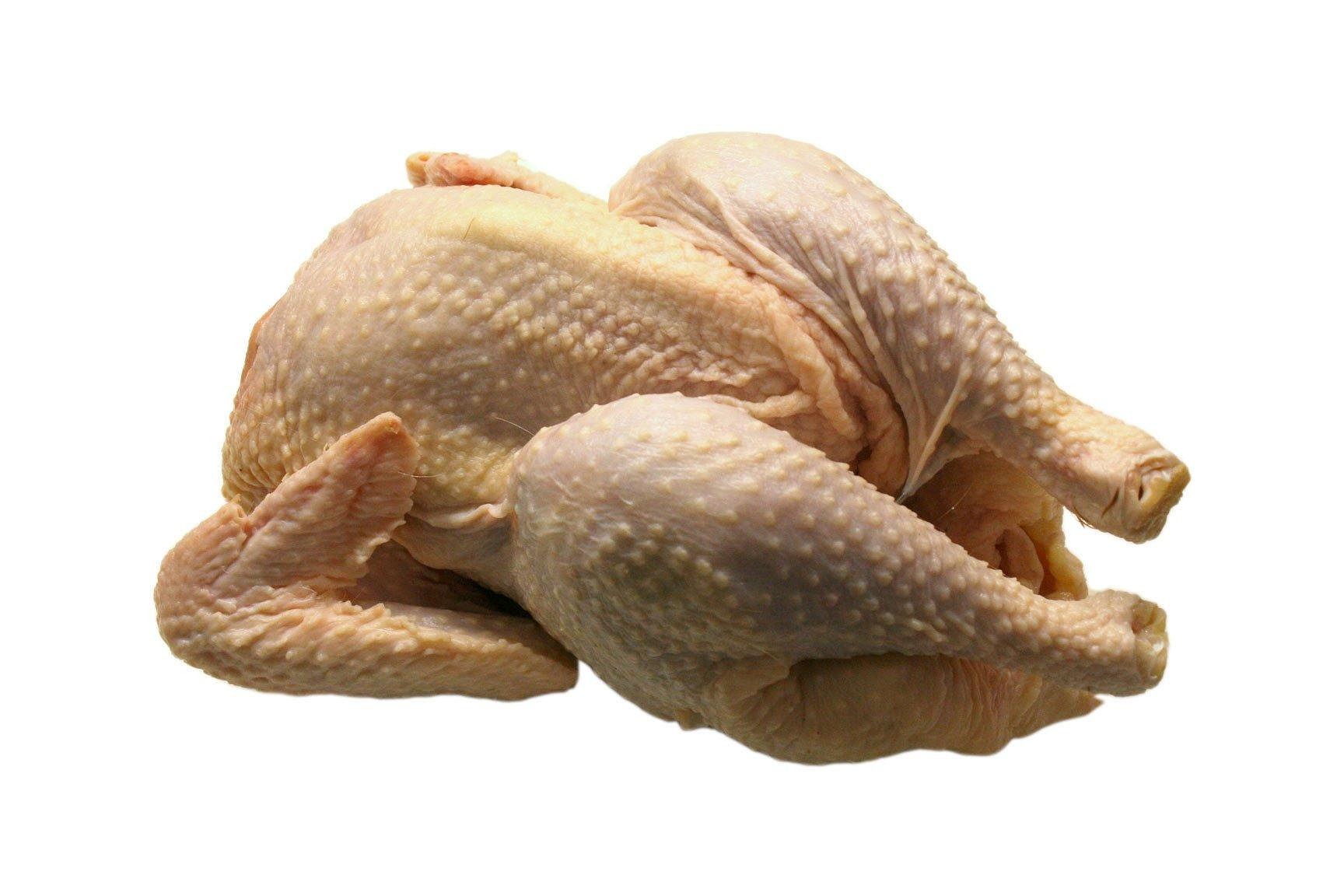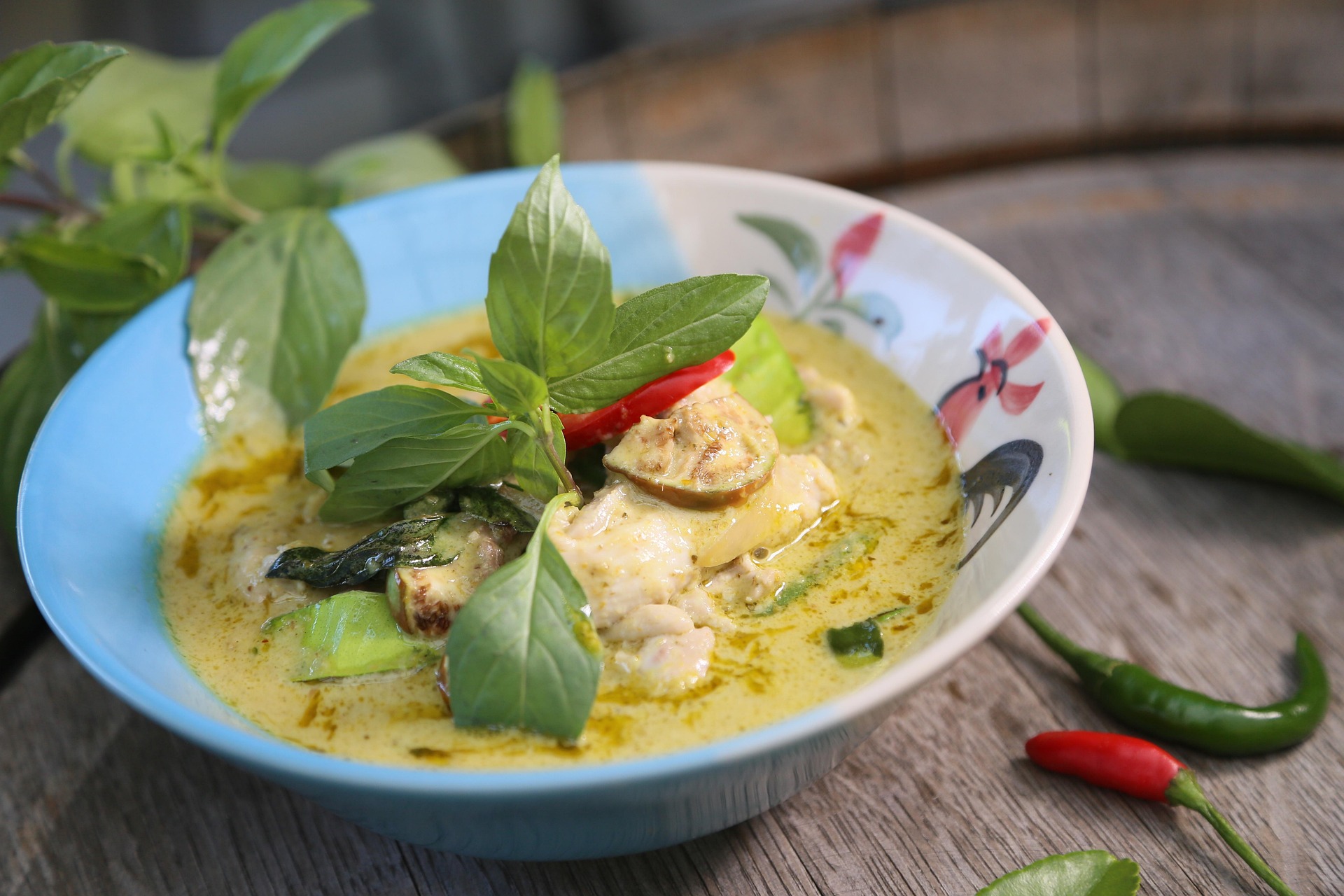
Marinades are one of the oldest answers to a very familiar problem: plain meat needs help. That is especially true with chicken. A plain chicken breast can be fine. It can also taste like a meeting that should have been an email. Marinades fix that — and they have been doing so for a very long time.
What does a marinade actually do?
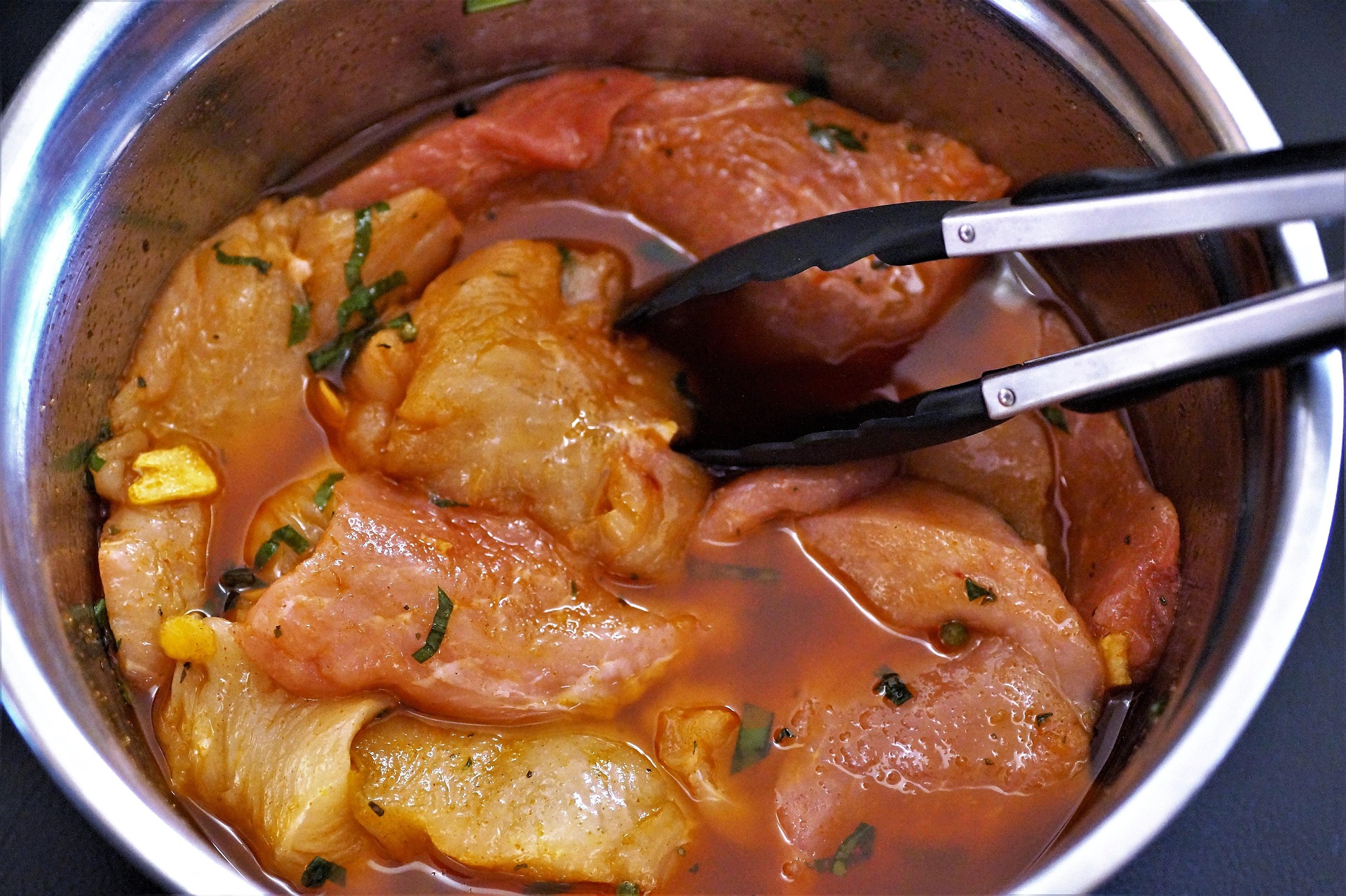
A marinade is a mixture of seasonings and liquid used to flavor food before cooking. Most chicken marinades include some combination of acid, salt, fat, aromatics, herbs, and spices. These ingredients do different jobs:
- Acid (lemon juice, vinegar, yogurt, tamarind) — brightens flavor and can affect surface texture
- Salt or umami (salt, soy sauce, miso, fish sauce, coconut aminos) — seasons the meat and adds savory depth
- Fat (olive oil, sesame oil, coconut milk, yogurt) — carries aromatic compounds and coats the surface evenly
- Aromatics (garlic, ginger, onion, lemongrass) — give the chicken a clear flavor identity
- Herbs and spices (oregano, cumin, paprika, turmeric, chilies) — define the dish's direction
A Greek lemon marinade and a Jamaican jerk marinade are doing the same basic thing — but they send chicken in completely different directions.
On tenderizing
Marinades mostly affect the surface of the chicken. Salt can improve juiciness with enough time. Acids and enzymes can change texture, but too much acid for too long can make the outside of the chicken mushy instead of tender. The main goal is flavor, not tenderizing.
Before refrigeration, marinades were practical
Today, we think of marinades as flavor boosters. Historically, they were also practical tools. Salt, acid, smoke, oil, spices, and fermentation all helped people manage food before modern refrigeration. A marinade could season meat, mask strong flavors, slow spoilage for a short time, or prepare tougher cuts for cooking.
The word "marinade" itself is related to brine and seawater — which makes sense. Salt and liquid have been part of food preparation for a very long time. Marinades were part of a larger food-preservation world that included salting, drying, smoking, fermenting, pickling, and cooking over fire.
Vinegar marinades: sharp, savory, and built to last
Vinegar-based chicken dishes appear in many cuisines because vinegar is useful. It is acidic, shelf-stable, and bold enough to stand up to garlic, onions, chilies, herbs, and meat.
Filipino adobo is one of the best-known examples — chicken braised with vinegar, soy sauce, garlic, bay leaves, and black pepper. The result is tangy, savory, and deeply comforting. Senegalese chicken yassa uses lemon juice, mustard, onions, garlic, and chilies. Caribbean and Latin American marinades often use vinegar or citrus with garlic, oregano, cumin, and herbs.
Vinegar gives chicken structure. It cuts through fat, sharpens aromatics, and keeps a dish from feeling flat.
Citrus marinades: bright flavor, short timing
Citrus is one of the world's great chicken partners. Lemon, lime, sour orange, yuzu, and other citrus fruits show up in marinades across the Mediterranean, Latin America, the Caribbean, the Middle East, and East Asia.
Greek lemon chicken uses lemon, olive oil, oregano, and garlic. Cuban mojo uses sour orange, garlic, oregano, cumin, and oil. Peri-peri chicken uses lemon with chilies, garlic, vinegar, and paprika. Citrus makes chicken taste fresher — but it should not marinate too long. A long citrus marinade can damage the texture of the meat, especially with thin pieces.
Timing tip
For citrus-heavy marinades, 1–3 hours is usually enough. Thin chicken cutlets may need even less. Going much longer can make the exterior of the chicken chalky and unpleasant.
Yogurt marinades: creamy, tangy, and spice-friendly
Yogurt marinades are common in South Asian, Middle Eastern, and Mediterranean cooking. Tandoori-style chicken is the obvious example — yogurt mixed with spices, garlic, ginger, chili, and salt, coating the chicken before high-heat cooking. The yogurt helps the spices cling to the meat and creates a tangy surface that browns well.
Yogurt is gentler than straight citrus or vinegar. It can coat chicken evenly and carry spices beautifully. That is why yogurt-based marinades are ideal for grilled, broiled, or roasted chicken — they deliver flavor, color, and texture without needing a sugary bottled sauce.
Fermented sauces: the umami shortcut
Many global chicken marinades use fermented ingredients because they bring deep savory flavor quickly. Soy sauce, tamari, miso, fish sauce, coconut aminos, fermented chili pastes — all add umami. They make chicken taste fuller and more complex.
Japanese miso-ginger chicken uses miso for depth. Vietnamese lemongrass chicken often uses fish sauce for salty intensity. Filipino adobo includes soy sauce alongside vinegar. These ingredients are powerful, so a little goes a long way. They are also one reason chicken marinades do not need to rely on sugar for flavor.
Spice pastes and dry rubs: flavor without much liquid
Not every marinade has to be wet. Some traditions use thick pastes or dry rubs — harissa, jerk paste, berbere, ras el hanout, suya spice, shawarma seasoning, and adobo-style chili pastes all show how spices can become the main event.
A dry rub works especially well when you want the outside of the chicken to brown, char, or crust. A wet paste works well when you want the flavor to cling deeply to the surface. For no-added-sugar cooking, you can create intensity with spices, chilies, garlic, salt, acid, herbs, and smoke instead of relying on honey or syrup.
How to choose a marinade for chicken
The easiest way to choose a marinade is to start with the cooking method:
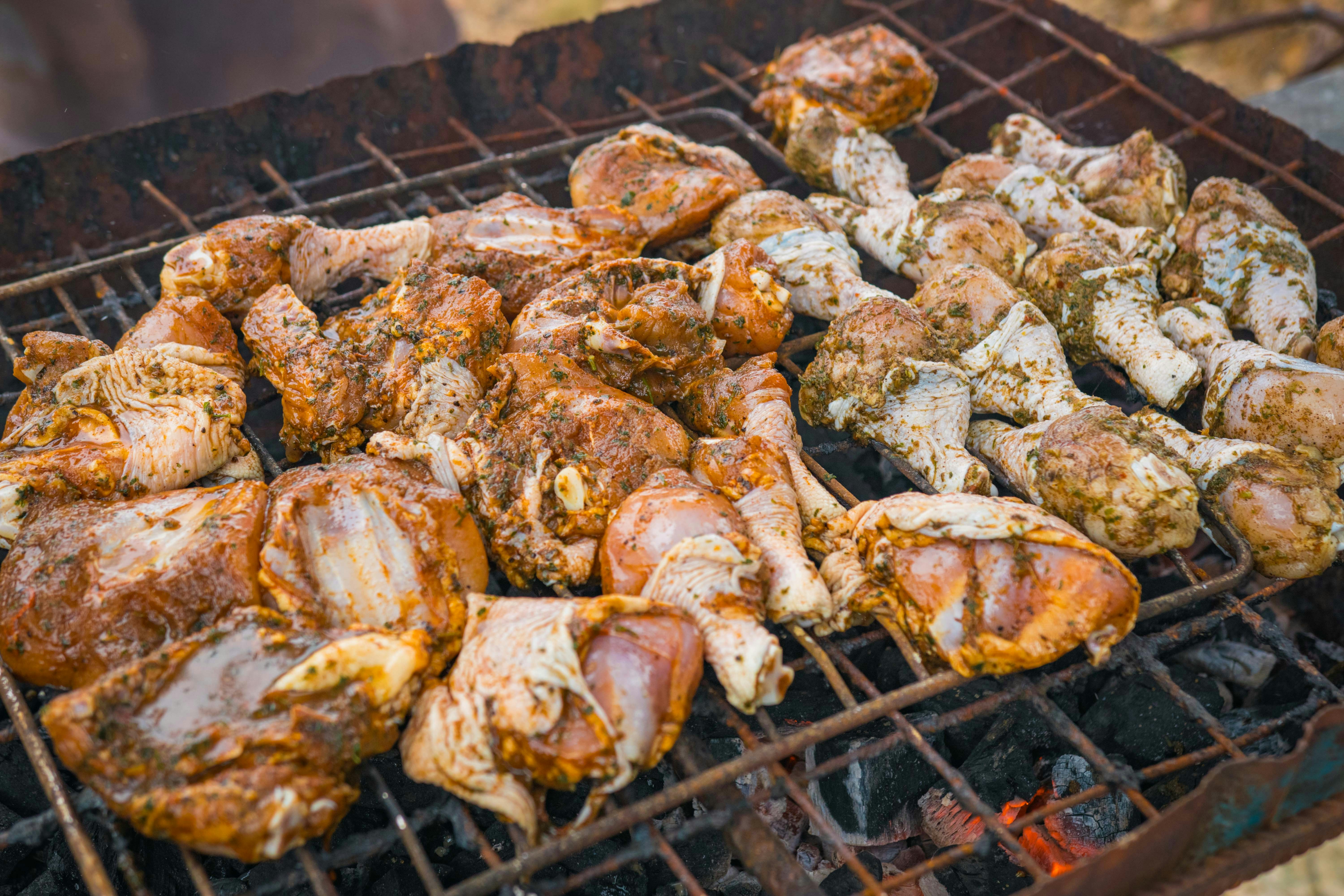
- Grilling — use bold marinades with spices, garlic, herbs, yogurt, vinegar, or citrus. Avoid anything too sugary, which can burn before the chicken cooks through.
- Baking — use oil-based, yogurt-based, or coconut milk-based marinades that won't dry out too quickly.
- Pan-searing — use thinner marinades or wipe off excess paste before cooking so the chicken browns instead of steaming.
- Braising — use vinegar, onions, garlic, tomatoes, coconut milk, or broth-based marinades that can become part of the sauce.
- Skewers — use high-impact marinades with garlic, acid, salt, and spice, since small pieces cook quickly and need fast flavor.
How long should you marinate chicken?
- Thin cutlets or strips — 30 minutes to 2 hours
- Citrus-heavy marinades — 1 to 3 hours
- Vinegar-heavy marinades — 2 to 6 hours
- Yogurt marinades — 4 to 12 hours
- Spice rubs and pastes — 4 hours to overnight
- Bone-in chicken — 4 to 24 hours depending on the marinade
Food safety
Always marinate chicken in the refrigerator, not on the counter. Cook chicken to an internal temperature of 165°F. Do not reuse marinade that touched raw chicken unless you boil it first. If you want a finishing sauce, reserve a clean portion before adding the raw chicken.
Put it to use
Want better chicken without a sugary bottled sauce?
Try the free chicken dinner idea generator, or grab The Global Marinade Vault for 50 no-added-sugar marinades inspired by global cooking traditions.
Frequently asked questions
What does marinating do to chicken?
Marinating adds flavor to chicken before cooking. Depending on the ingredients, it may also help with surface texture, browning, juiciness, and tenderness. Most marinades mainly affect the outside of the chicken rather than deeply penetrating the entire piece.
How long should chicken marinate?
Thin chicken pieces may only need 30 minutes to 2 hours. Citrus-heavy marinades are usually best within 1 to 3 hours. Yogurt, spice paste, or dry rub marinades can often go longer, especially with bone-in chicken.
Can chicken marinate too long?
Yes. Acid-heavy marinades with lemon, lime, vinegar, or other acidic ingredients can make the surface of chicken mushy or unpleasant if left too long. Very salty marinades can also overpower the meat if used for too many hours.
Should you marinate chicken in the fridge?
Yes. Always marinate chicken in the refrigerator, not on the counter. Keep raw chicken cold, cook it to 165°F, and discard raw marinade unless it is boiled before reuse.
Do marinades need sugar?
No. Sugar can help with browning and balance, but it is not required. Chicken marinades can build flavor with citrus, vinegar, yogurt, herbs, spices, garlic, ginger, chilies, miso, fish sauce, mustard, coconut milk, and other savory ingredients.