A lot of chicken marinades are basically dessert in disguise — teriyaki sauce, bottled barbecue, honey mustard, sweet chili glaze. They taste good because sugar is doing a lot of work. But chicken does not need sugar to taste good. A no-added-sugar marinade can be bright, smoky, spicy, creamy, garlicky, herby, or deeply savory. You just need to build flavor with better tools.
What "no added sugar" actually means
For home cooking, no added sugar usually means the recipe does not include sweeteners like white sugar, brown sugar, honey, maple syrup, agave, corn syrup, molasses, sweet chili sauce, sweetened ketchup, or sweetened bottled barbecue sauce.
That does not mean the finished food contains zero natural sugar. Onions, garlic, citrus juice, yogurt, tomatoes, peppers, and coconut aminos can all contain naturally occurring sugars. The point is to avoid adding sweeteners as a shortcut. A marinade built on lime juice, garlic, cumin, olive oil, and cilantro is very different from one built around brown sugar and bottled sauce.
Why so many marinades use sugar
Sugar is popular in marinades because it is easy. It rounds out sharp flavors, helps browning, and can make salty sauces taste more balanced. It can also cover up a bland marinade that does not have much else going on.
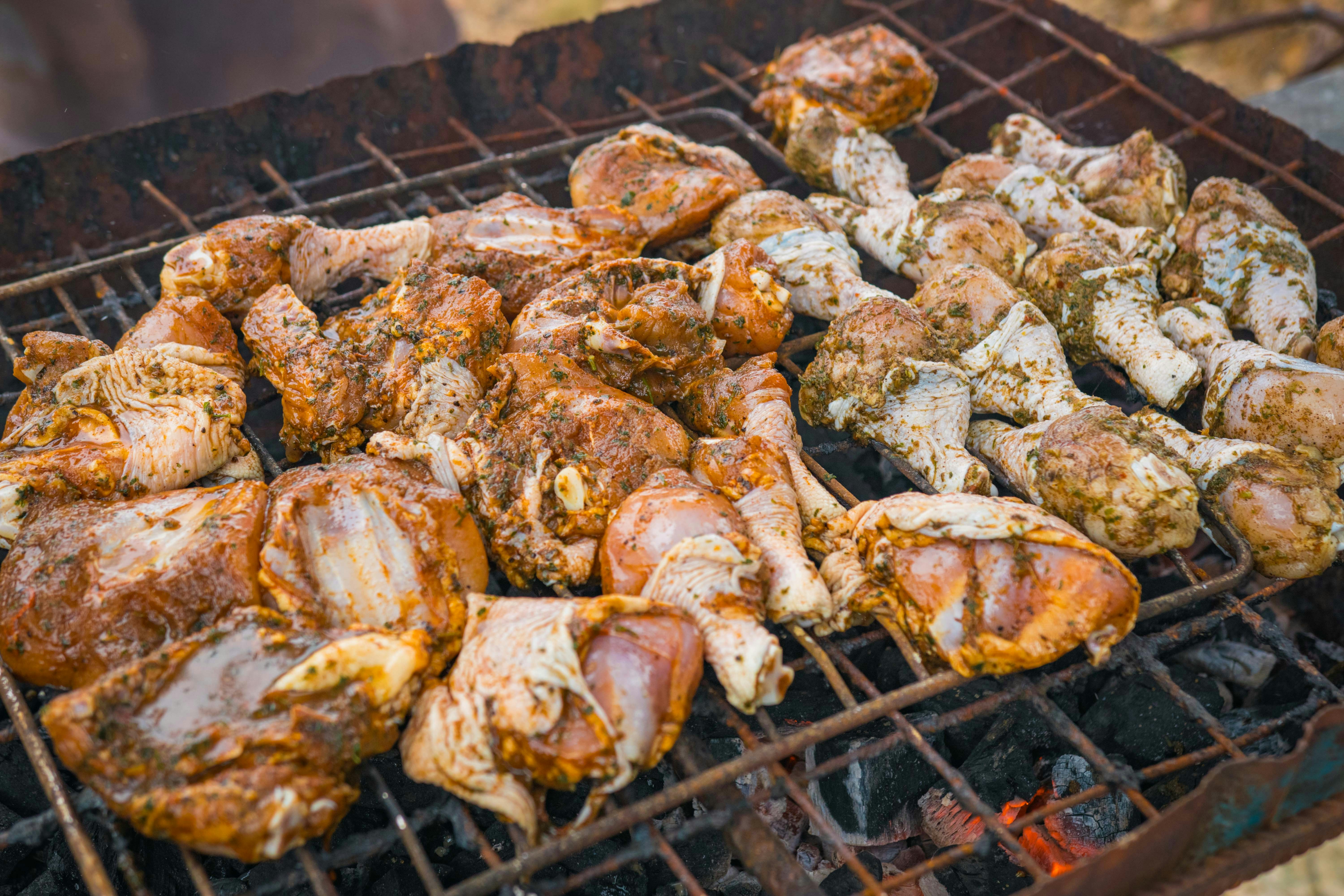
The problem is that sugar-heavy marinades can burn quickly — especially on a grill, under a broiler, or in a hot skillet. The outside may blacken before the chicken is cooked through. Sugar can also flatten global flavor, making a barbecue sauce, a teriyaki bottle, and a sweet chili glaze taste surprisingly similar when sweetness is the main event.
If you remove added sugar, you need to build flavor with acid, salt, fat, aromatics, herbs, spices, and umami instead. That is not a downgrade. It is usually more interesting.
The basic formula for a no-added-sugar marinade
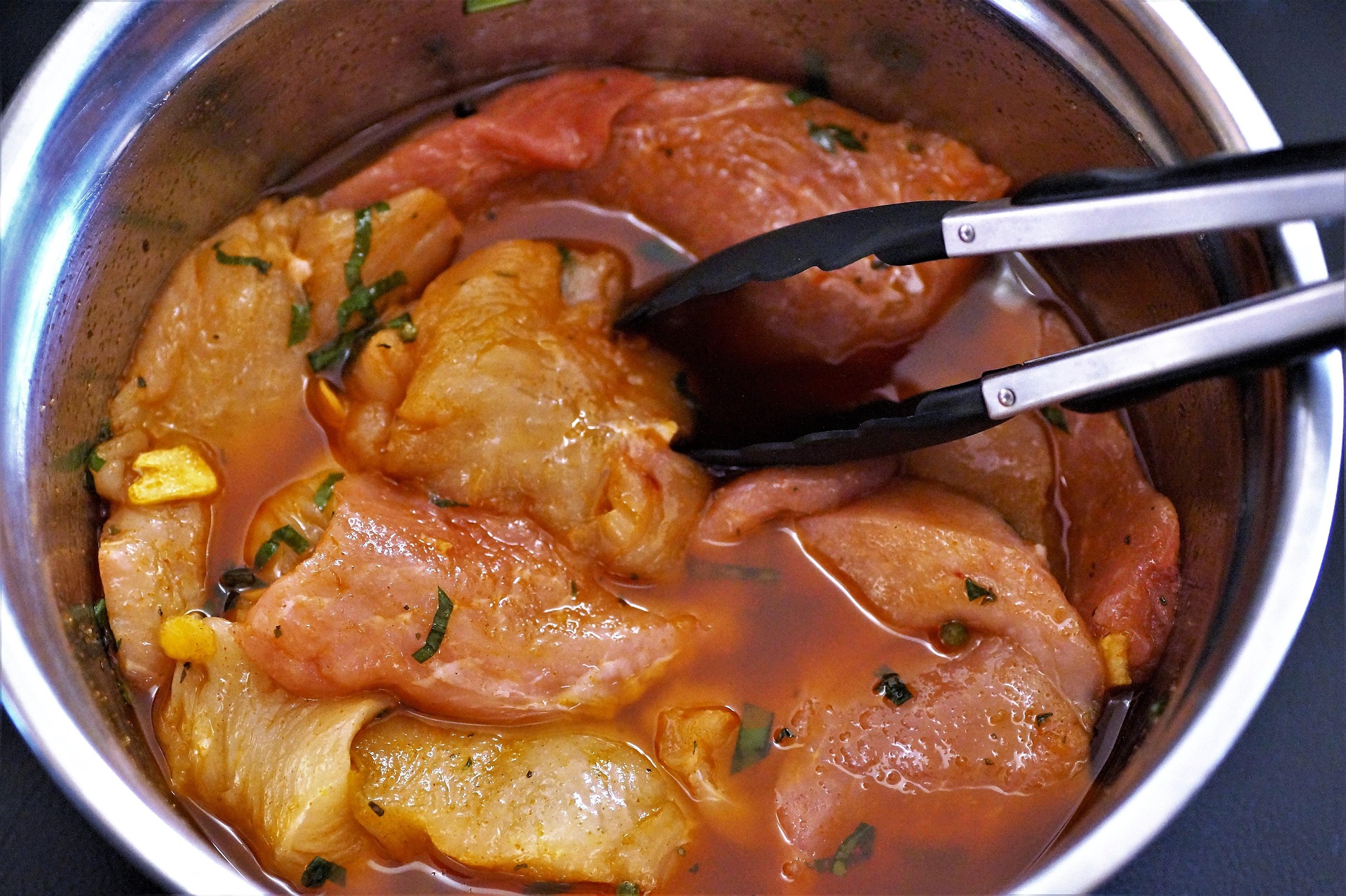
Most good chicken marinades follow a simple structure:
Acid + fat + salt + aromatics + herbs or spices
Use lemon, olive oil, garlic, and oregano, and the chicken leans Mediterranean. Use lime, fish sauce, garlic, ginger, and lemongrass, and it moves toward Southeast Asian flavors. Use yogurt, ginger, garlic, cumin, and chili, and you get a tandoori-style direction. The ingredients change, but the structure stays useful.
Use acid for brightness
Acid is one of the easiest ways to make chicken taste alive. Good options include lemon juice, lime juice, orange juice, sour orange, rice vinegar, apple cider vinegar, red wine vinegar, sherry vinegar, yogurt, tamarind, and mustard.
Acid cuts through richness and keeps chicken from tasting flat. The main caution is timing — citrus-heavy and vinegar-heavy marinades should not sit too long, especially with thin chicken pieces. For most citrus-heavy marinades, 1 to 3 hours is enough. For vinegar-heavy marinades, 2 to 6 hours often works well.
Acid tip
Yogurt is one of the gentlest acids for chicken. It can coat evenly, carry spices beautifully, and go longer than straight lemon or vinegar without damaging the texture. Ideal for grilling and broiling.
Use salt and umami for depth
Umami gives chicken savory depth without adding sweetness. Good no-added-sugar umami ingredients include sea salt, tamari, soy sauce with no added sugar, miso, fish sauce, coconut aminos, anchovy paste, Dijon mustard with no added sugar, tomato paste, and mushrooms.
A spoonful of miso can make a ginger marinade taste deeper. A splash of fish sauce can make lemongrass chicken taste restaurant-level. A little Dijon can hold together a French-style herb marinade. The key is label-checking — some brands add sugar to sauces, mustards, chili pastes, and prepared ingredients.
Use fat to carry flavor
Fat helps distribute flavor across the chicken and keeps lean cuts, especially chicken breast, from tasting dry or harsh. Good options include olive oil, avocado oil, sesame oil, coconut milk, full-fat yogurt, and tahini.
- Olive oil — with lemon, herbs, garlic, paprika, and Mediterranean flavors
- Sesame oil — in smaller amounts with ginger, garlic, scallions, tamari, or miso
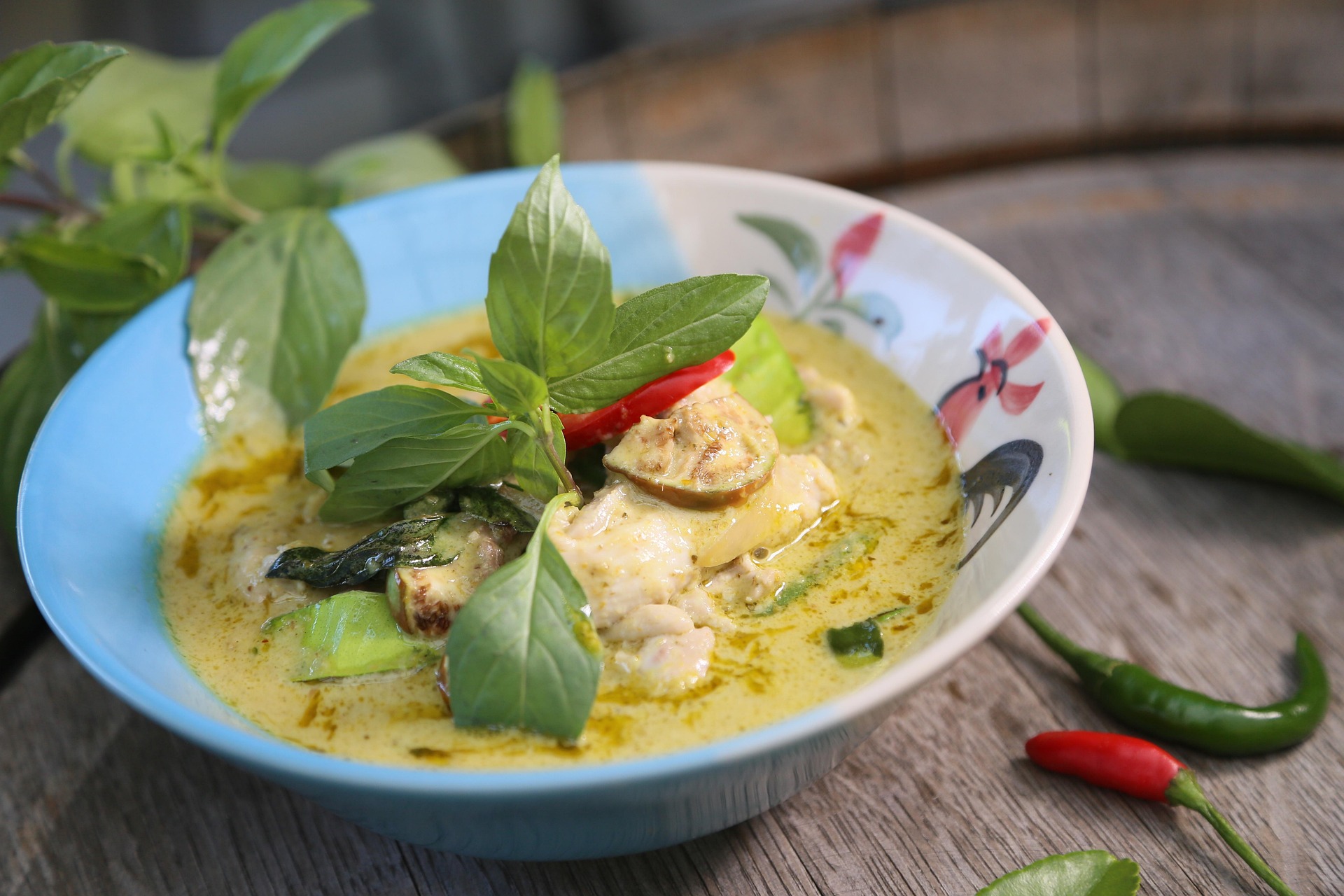
- Coconut milk — with lemongrass, turmeric, ginger, garlic, chilies, and lime
- Yogurt — for grilled, broiled, or roasted chicken that needs good color and texture
Use aromatics so the chicken tastes like something
Aromatics are where many marinades become interesting. The most useful ones are garlic, ginger, onion, shallots, scallions, lemongrass, fresh chilies, citrus zest, and fresh herbs.
Garlic alone can carry a simple marinade. Ginger brings warmth. Lemongrass adds a citrusy, floral note. Scallions make a marinade taste fresher. If a no-added-sugar marinade tastes flat, the answer is usually not sweetener — it is more aromatics, more salt, more acid, or more time.
Flavor note
Citrus zest (not just juice) adds intensity without the timing restrictions of straight citrus juice. A little zest in a marinade gives chicken brightness that lasts through cooking without the risk of over-acidifying the meat.
Use spices instead of sweetness
Spices can give chicken warmth, smoke, heat, earthiness, and color without adding sugar. Useful options include smoked paprika, cumin, coriander, turmeric, cinnamon, allspice, cardamom, black pepper, cayenne, chili flakes, berbere, ras el hanout, za'atar, and garam masala.
Shawarma-style chicken gets warmth from cumin, cinnamon, cardamom, paprika, and garlic. Jerk-style chicken gets depth from allspice, thyme, chilies, and scallions. Moroccan-inspired chicken can use cumin, coriander, preserved lemon, turmeric, and herbs. None of those flavor systems need brown sugar to make sense.
Five no-added-sugar marinade ideas
Use these as starting points rather than strict recipes.
1. Lemon-Garlic Herb
Olive oil, lemon juice, garlic, oregano, thyme, salt, and pepper. Bright, simple, and hard to mess up. Works well for grilled or roasted chicken.
2. Miso-Ginger
White miso, rice vinegar, ginger, garlic, sesame oil, and tamari or coconut aminos. Deep savory flavor without needing a sweet teriyaki-style sauce.
3. Yogurt-Spice
Plain full-fat yogurt, lemon juice, garlic, ginger, cumin, paprika, turmeric, cayenne, and salt. Ideal for broiled, grilled, or roasted chicken — the yogurt holds the spices against the meat.
4. Mojo-Style Citrus
Lime juice, orange juice or sour orange, garlic, oregano, cumin, olive oil, salt, and pepper. Bright, garlicky, and fresh — a natural match for rice, beans, or avocado.
5. Harissa-Lemon
Harissa paste, lemon juice, olive oil, garlic, cumin, smoked paprika, and salt. Check the harissa label for added sugar — many versions are clean, but not all.
How long to marinate chicken without sugar
- Thin cutlets or strips — 30 minutes to 2 hours
- Citrus-heavy marinades — 1 to 3 hours
- Vinegar-heavy marinades — 2 to 6 hours
- Yogurt marinades — 4 to 12 hours
- Spice pastes and dry rubs — 4 hours to overnight
- Bone-in chicken — 4 to 24 hours depending on the marinade
Food safety
Always marinate chicken in the refrigerator. Cook to 165°F. Do not reuse marinade that touched raw chicken unless you boil it first. Reserve a clean portion before adding raw chicken if you want a finishing sauce.
What to watch for on labels
If you are avoiding added sugar, check labels on gochujang, harissa, Dijon mustard, coconut aminos, soy sauce or tamari, roasted red peppers, achiote paste, curry pastes, chili pastes, bottled dressings, barbecue sauce, and teriyaki sauce.
Some brands are no-added-sugar. Others are not. "Natural," "light," "healthy," and "gluten-free" on the label do not automatically mean no added sugar. The habit takes a few seconds and matters more than the front of the bottle.
One place, 50 marinades
Want 50 no-added-sugar chicken marinades in one place?
Grab The Global Marinade Vault — globally inspired chicken sauces and marinades built with citrus, vinegar, herbs, spices, yogurt, and umami instead of refined sugar.
Frequently asked questions
Can chicken marinade be made without sugar?
Yes. Chicken marinades can be made without added sugar by using ingredients like citrus juice, vinegar, yogurt, garlic, ginger, herbs, spices, mustard, miso, fish sauce, tamari, coconut milk, and olive oil.
What can I use instead of sugar in chicken marinade?
Use acid, salt, umami, and aromatics. Lemon juice, lime juice, vinegar, mustard, miso, garlic, ginger, herbs, spices, and fermented sauces can all build flavor without sweeteners.
Do no-added-sugar marinades still brown?
Yes, but they may brown differently from sugar-heavy marinades. Spices, yogurt, oils, tomato paste, coconut milk, and high-heat cooking can all help build color without relying on brown sugar or honey.
Are "sugar-free" and "no added sugar" the same thing?
Not exactly. "Sugar-free" suggests little to no sugar in the finished food. "No added sugar" means no sweeteners were added, though ingredients like onions, citrus, yogurt, tomatoes, or coconut aminos may contain naturally occurring sugars.
What is the best no-added-sugar marinade for chicken breast?
A lemon-garlic herb marinade, yogurt-spice marinade, or miso-ginger marinade works especially well for chicken breast — each adds moisture, flavor, and structure without needing sweeteners.