Chicken breast has a reputation problem. It is lean, convenient, everywhere — and very easy to turn into something dry, pale, and mildly disappointing. That does not mean chicken breast is bad. It means chicken breast is unforgiving. Unlike fattier cuts, it does not bring much richness on its own. Unlike bone-in chicken, it has less built-in flavor support. Chicken breast can be excellent, but it needs a plan.
Why chicken breast tastes bland
Chicken breast is mild by nature. That is part of why people buy it — it works with almost any cuisine, sauce, side dish, or meal prep plan. The problem is that mild can quickly become bland.
Chicken breast does not have much fat compared with thighs, wings, or skin-on cuts. Fat carries flavor and helps food feel juicy. Without enough seasoning, sauce, browning, or moisture, chicken breast can taste flat even when it is cooked correctly. It also has a fairly uniform texture — easy to slice and grill, but monotonous if the outside has no crust and the inside has no seasoning.
Chicken breast is not boring because it is useless. It is boring because it gives you very little for free.
Why chicken breast gets dry so easily
Chicken breast is lean, so it has a narrow window between cooked and overcooked. Chicken is safely cooked at an internal temperature of 165°F. The challenge is that breast meat can start feeling dry when it goes much past that point — especially if it is thin in some areas and thick in others.
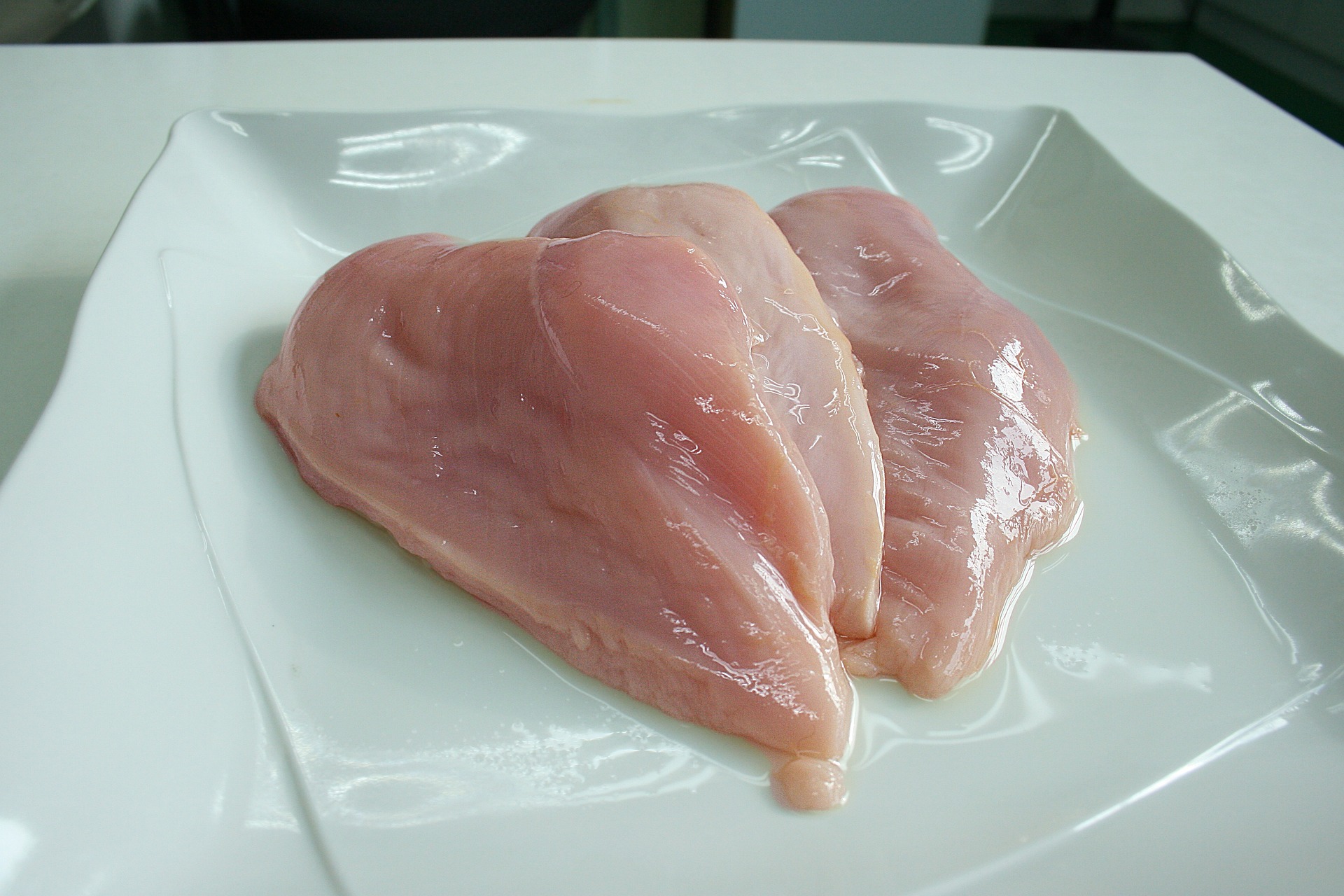
That uneven shape is one of the biggest problems. The thin end cooks faster. The thick end takes longer. By the time the thickest part is done, the thinner parts may already be overcooked. This is why pounding chicken breast to an even thickness helps so much — it is not a fussy cooking-school move, it makes the whole piece cook at the same rate.
Quick fix
Place the chicken breast between two sheets of plastic wrap or in a zip bag and pound it to an even 3/4-inch thickness with a rolling pin or the flat side of a heavy pan. This single step makes more difference than any sauce.
Fix 1: Season earlier
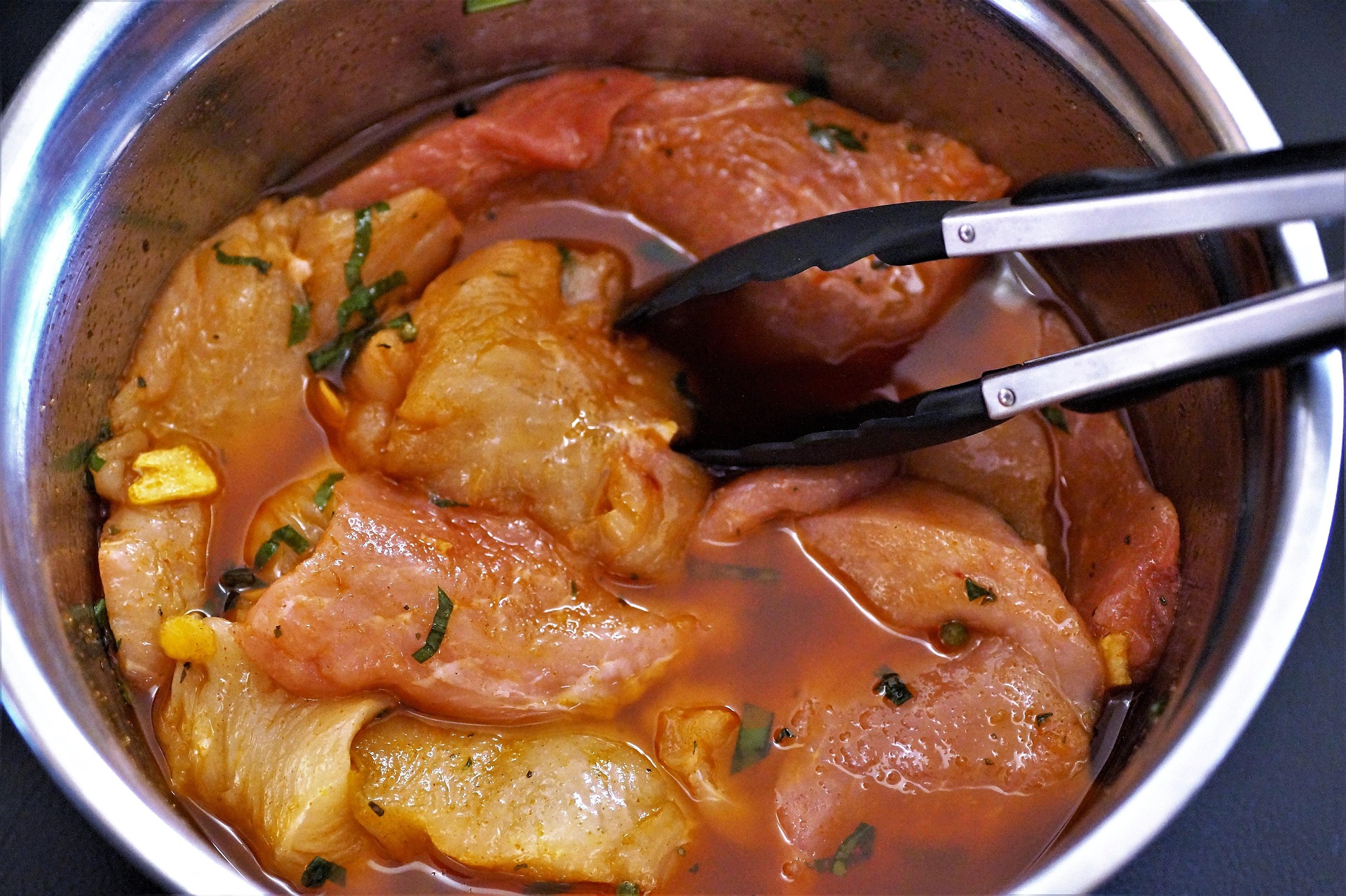
A lot of bland chicken is simply under-seasoned. Sprinkling salt on the outside right before cooking helps, but seasoning earlier gives the salt more time to work. Even 20 to 30 minutes can make a difference. A few hours is better when you have time.
You do not need a complicated marinade every time. A simple dry brine works well: salt, pepper, garlic powder, smoked paprika, and a little olive oil before cooking. Let the chicken sit in the refrigerator while the seasoning settles in, then cook it quickly over enough heat to build color.
Fix 2: Use acid
Acid makes chicken taste brighter. That is why so many good chicken dishes use lemon, lime, vinegar, yogurt, sour orange, wine, mustard, or tomato. Acid cuts through blandness and gives lean chicken more lift.
Good acid-based flavor directions include lemon + olive oil + garlic + oregano, lime + cumin + garlic + cilantro, vinegar + mustard + onions + black pepper, yogurt + ginger + garlic + spices, or sour orange + oregano + cumin + garlic. For most citrus-heavy marinades, 30 minutes to 3 hours is enough.
Fix 3: Add fat
Chicken breast needs help from fat — not to make it greasy, but because a little fat carries flavor, protects the surface, and makes each bite feel less dry. Useful fats include olive oil, avocado oil, sesame oil, coconut milk, full-fat yogurt, tahini, and a knob of butter added after cooking.
Fat works especially well with herbs, spices, garlic, ginger, chili, and citrus zest. Those ingredients release flavor into fat, which then coats the chicken more evenly. Olive oil and lemon. Sesame oil and ginger. Coconut milk and lemongrass. Yogurt and spices. These combinations make lean chicken taste fuller.
Fix 4: Build browning
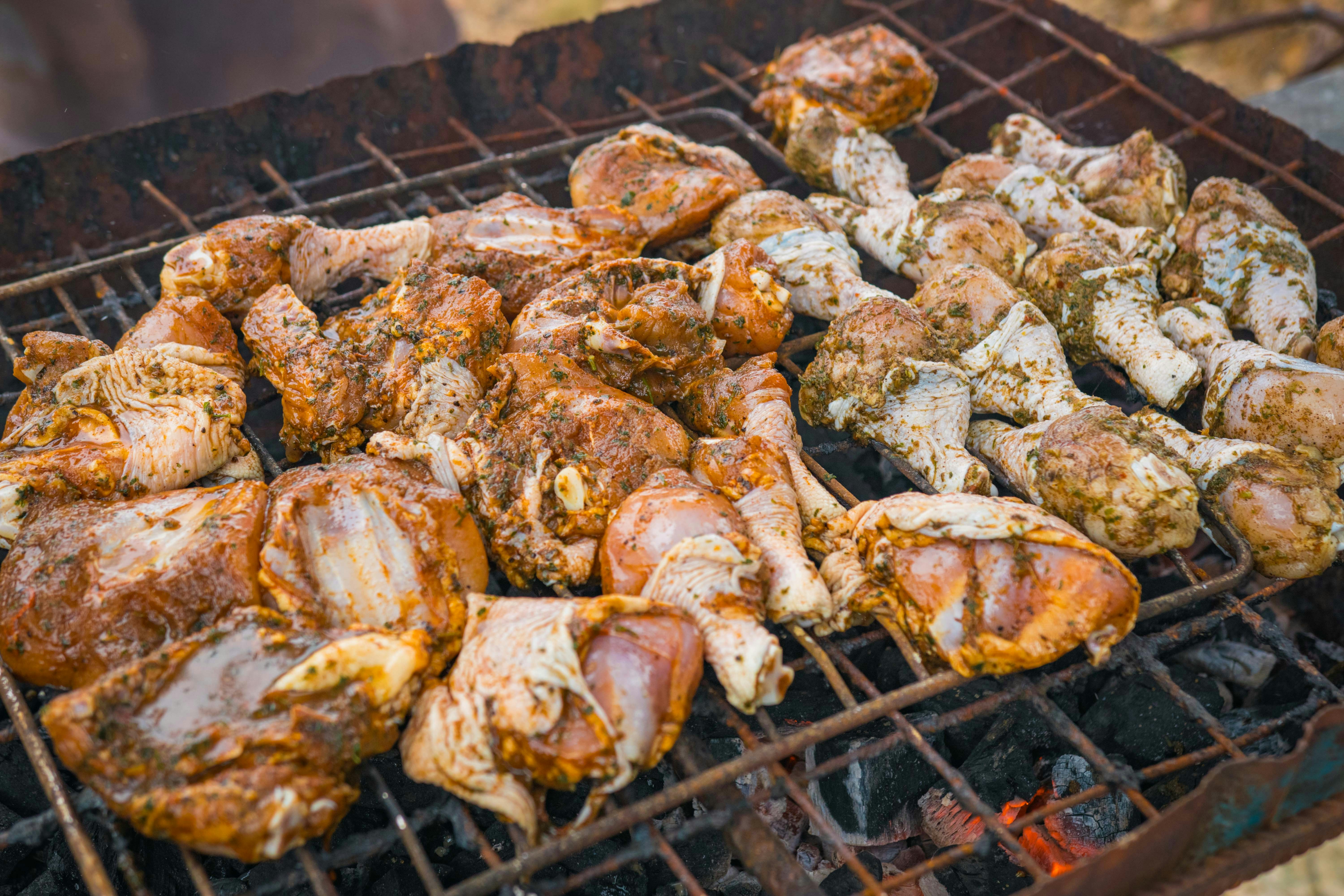
Pale chicken usually tastes worse than browned chicken. Browning creates flavor on the surface. To get better browning: pat the chicken dry before cooking, avoid crowding the pan, use medium-high or high heat when appropriate, let the chicken sit still long enough to brown, and wipe off excess wet marinade before searing.
Why it matters
If the chicken is swimming in marinade when it hits the pan, it may steam instead of sear — leaving the outside pale and the texture rubbery. A little surface moisture is fine. A puddle is not. Pat dry, then sear.
Fix 5: Stop cooking it too long
This is the least glamorous fix and probably the most important. Chicken breast should be cooked to 165°F. Guessing is unreliable, especially with uneven pieces. A meat thermometer is the simplest way to stop turning dinner into dry protein.
Resting also matters. Let the chicken sit for about five minutes after cooking so the juices settle before slicing. If you cut into chicken breast immediately, more moisture ends up on the cutting board instead of in the meat.
Fix 6: Slice it the right way
Cutting against the grain shortens the muscle fibers and makes the meat feel more tender. This is especially useful for chicken breast because the texture can feel dense when sliced poorly. For bowls, salads, wraps, and rice plates, slice the chicken thinly after resting, then spoon sauce or pan juices over the top. This turns one piece of chicken into something more integrated with the rest of the meal.
Fix 7: Use a real flavor direction
The biggest mistake is asking chicken breast to become dinner without giving it a job. "Seasoned chicken" is not a plan. A flavor direction is a plan. Try one of these:
Greek-style
Lemon, olive oil, garlic, oregano, black pepper, and salt. Serve with cucumber, rice, potatoes, salad, or yogurt sauce.
Shawarma-style
Cumin, paprika, turmeric, coriander, cinnamon, cardamom, garlic, lemon, and olive oil. Serve with flatbread, rice, tahini, pickles, or chopped salad.
Mojo-style
Lime, orange, garlic, oregano, cumin, olive oil, salt, and pepper. Serve with rice, beans, avocado, or grilled vegetables.
Miso-ginger
Miso, ginger, garlic, rice vinegar, sesame oil, and tamari or coconut aminos. Serve with cucumber, greens, rice, or slaw.
Yogurt-spice
Plain yogurt, lemon, garlic, ginger, cumin, paprika, turmeric, chili, and salt. Broil, grill, or roast until the surface chars lightly at the edges.
Flavor note
Once chicken has a direction, the rest of the meal becomes easier. The flavor direction tells you what to serve alongside it, what sauce to make, and how to use the leftovers tomorrow.
What to do if your chicken is already dry
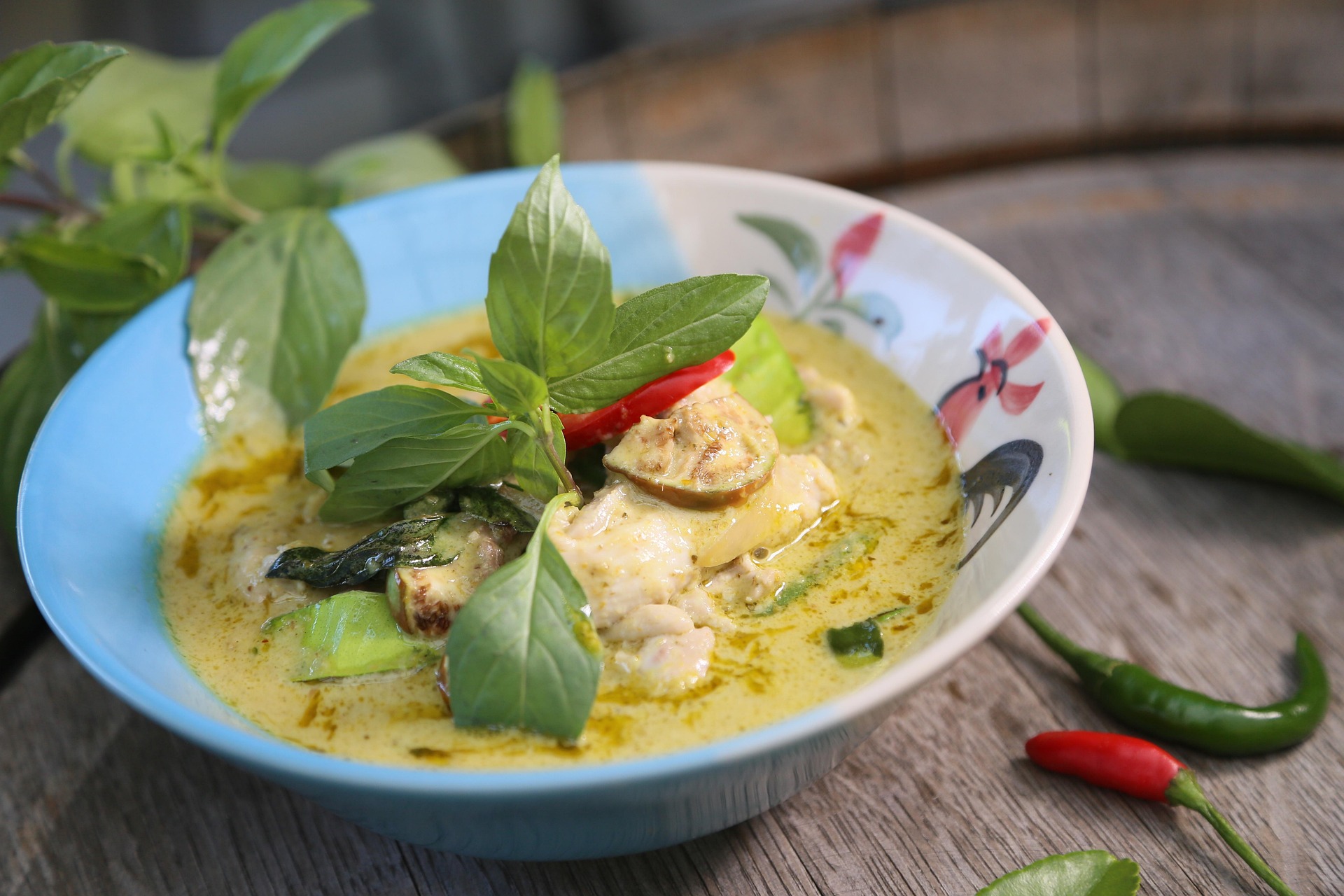
Dry chicken is not hopeless. It just needs moisture and a new assignment. Slice it thin and add sauce. Shred it into soup. Chop it into chicken salad. Toss it with salsa and use it in tacos. Add it to fried rice. Simmer it briefly in curry sauce. Mix it into a creamy yogurt or tahini dressing. Use it in a wrap with crunchy vegetables and sauce.
Do not reheat dry chicken aggressively — that usually makes it worse. Slice or shred it first, then warm it gently with moisture.
Ready to cook?
Have chicken breast and no dinner plan?
Use the free chicken dinner idea generator, or grab The Global Marinade Vault for 50 no-added-sugar marinades designed to make plain chicken taste like something worth eating.
Frequently asked questions
Why does chicken breast taste so bland?
Chicken breast tastes bland because it is lean, mild, and low in fat compared with thighs, wings, and skin-on cuts. It needs enough salt, acid, fat, browning, sauce, or marinade to develop flavor.
How do you make chicken breast taste better?
Season it earlier, pound it to even thickness, use a marinade or dry brine, cook it over enough heat to brown, avoid overcooking, rest it before slicing, and serve it with sauce or flavorful sides.
Why does chicken breast get dry?
Chicken breast gets dry because it is lean and easy to overcook. Uneven thickness also causes the thinner parts to cook faster than the thickest part — resulting in overcooked edges before the center reaches the right temperature.
What is the best marinade for chicken breast?
Good chicken breast marinades usually include acid, fat, salt, and aromatics. Lemon-garlic herb, yogurt-spice, mojo-style citrus, shawarma-style, and miso-ginger marinades all work well.
Can you save overcooked chicken breast?
Yes. Slice or shred it, then add moisture. Dry chicken breast works in soup, tacos, chicken salad, rice bowls, wraps, curry sauce, or pasta. Avoid aggressive reheating — add it to something saucy instead.